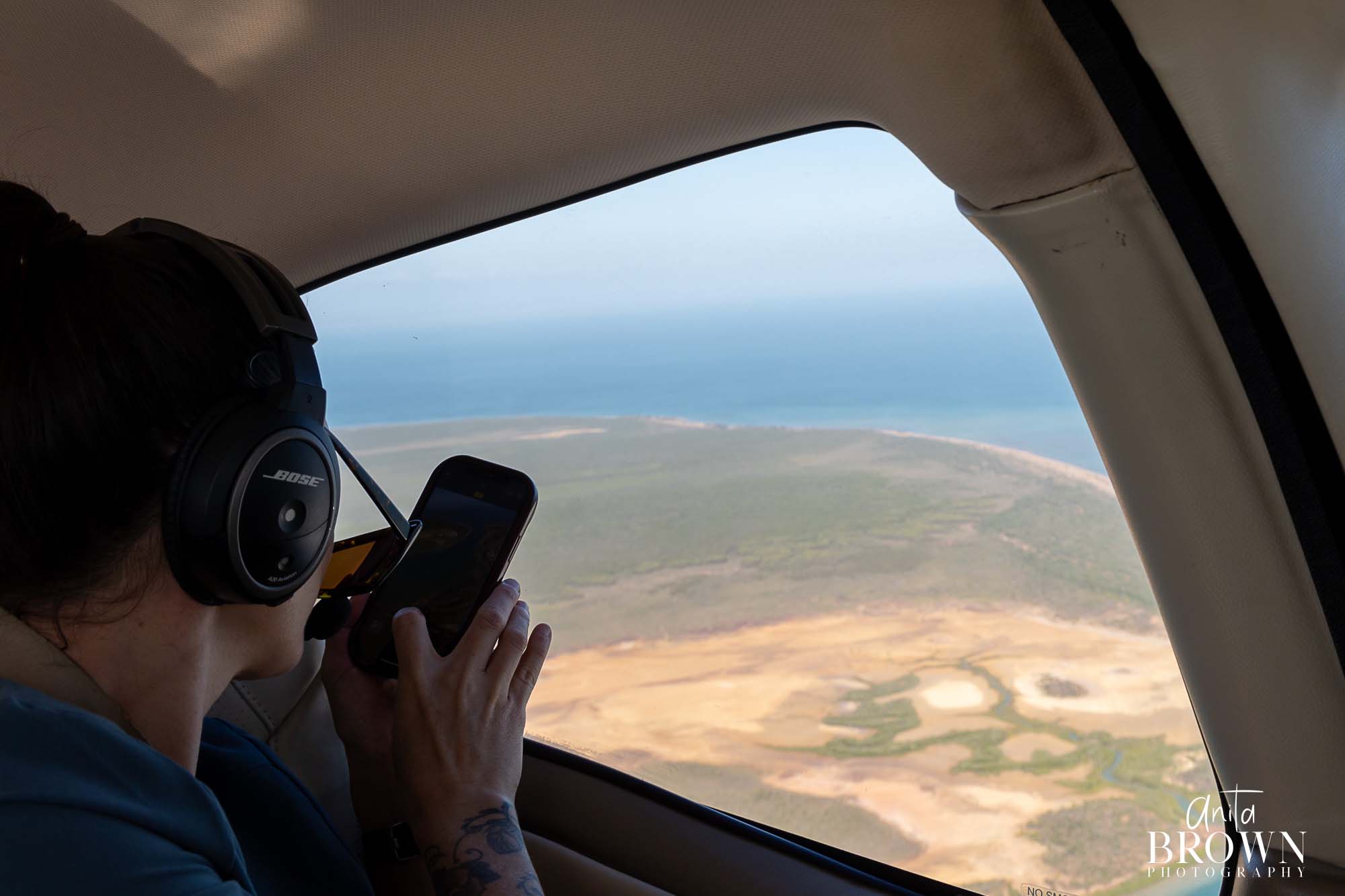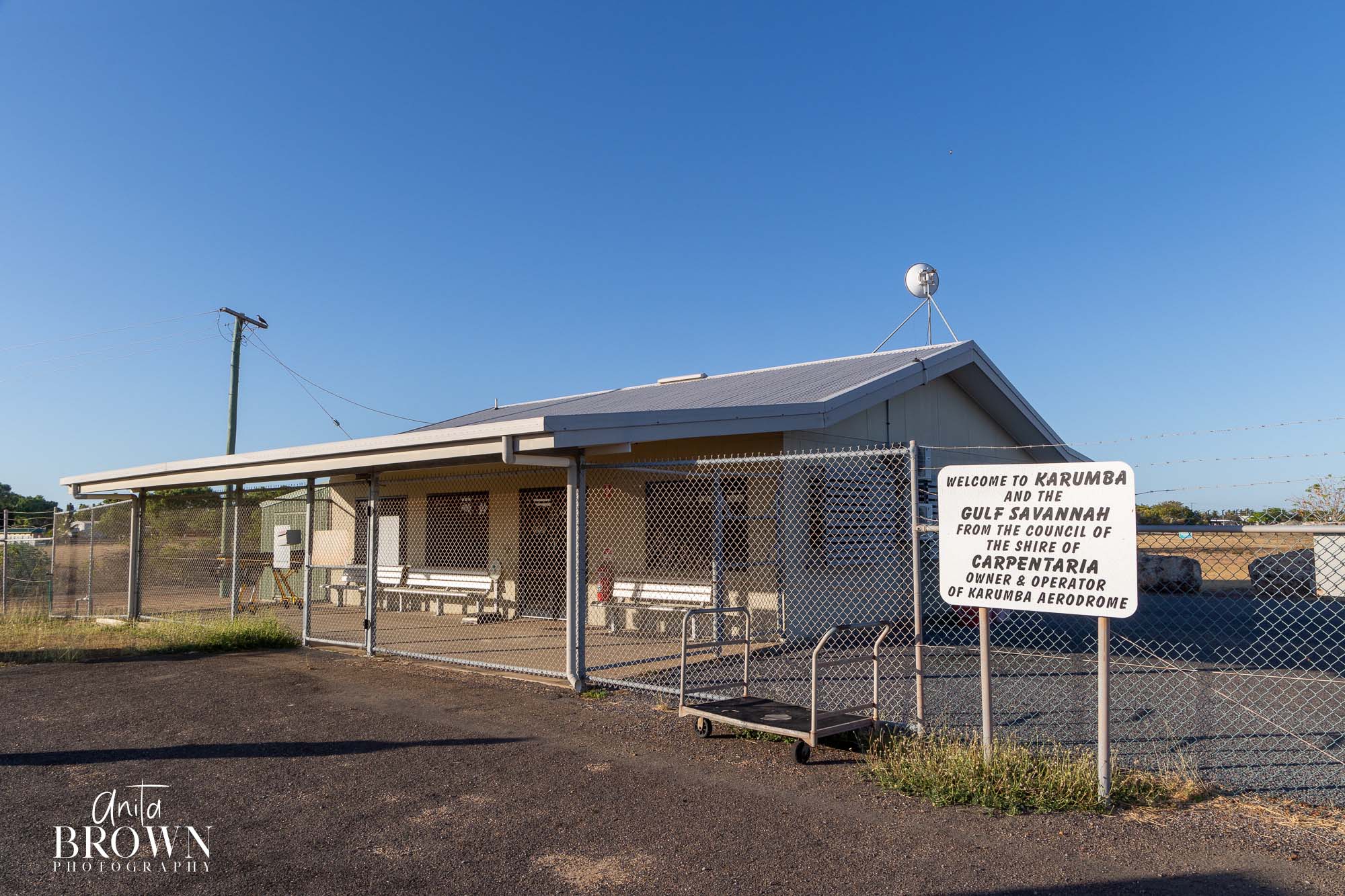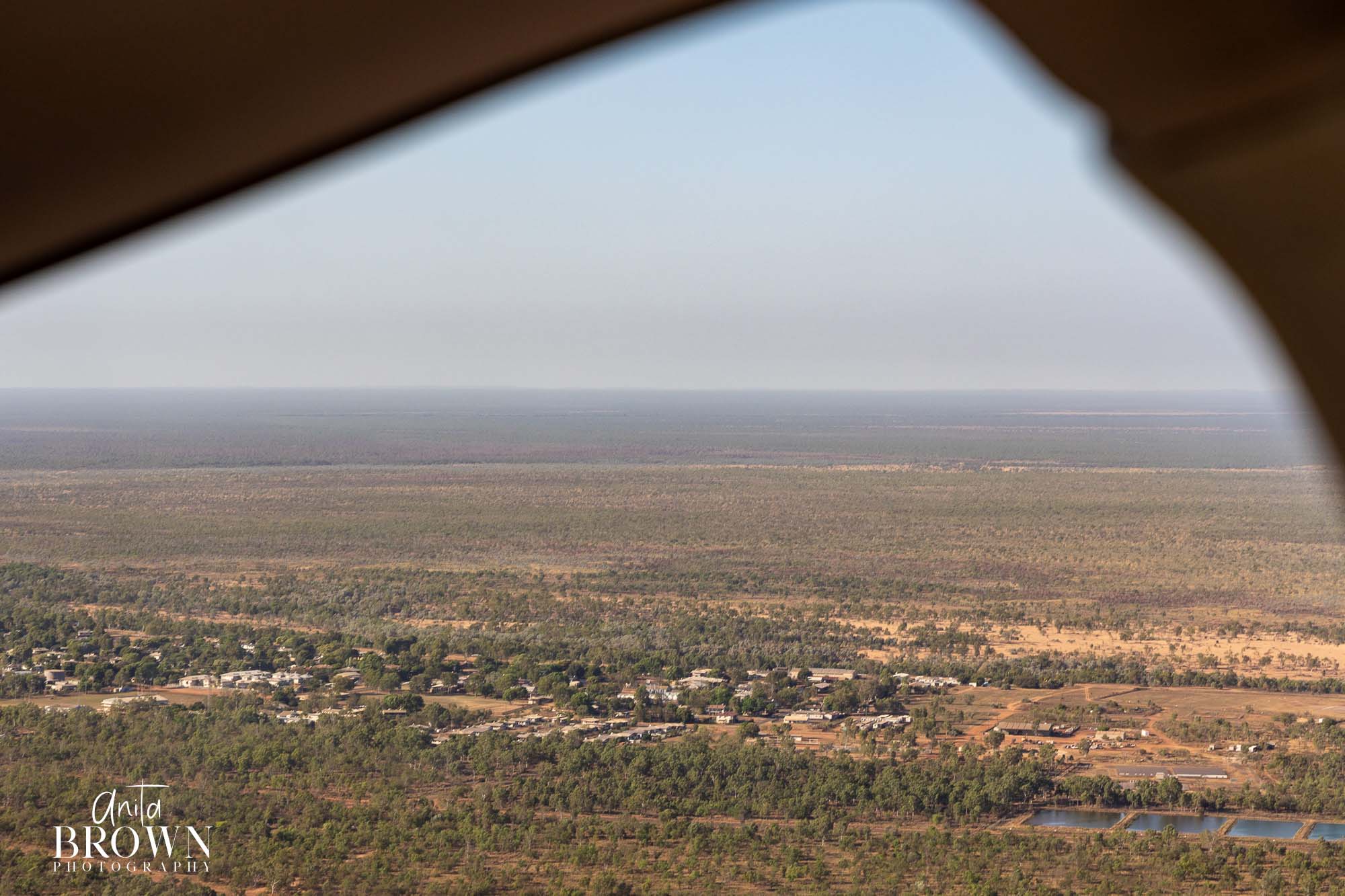
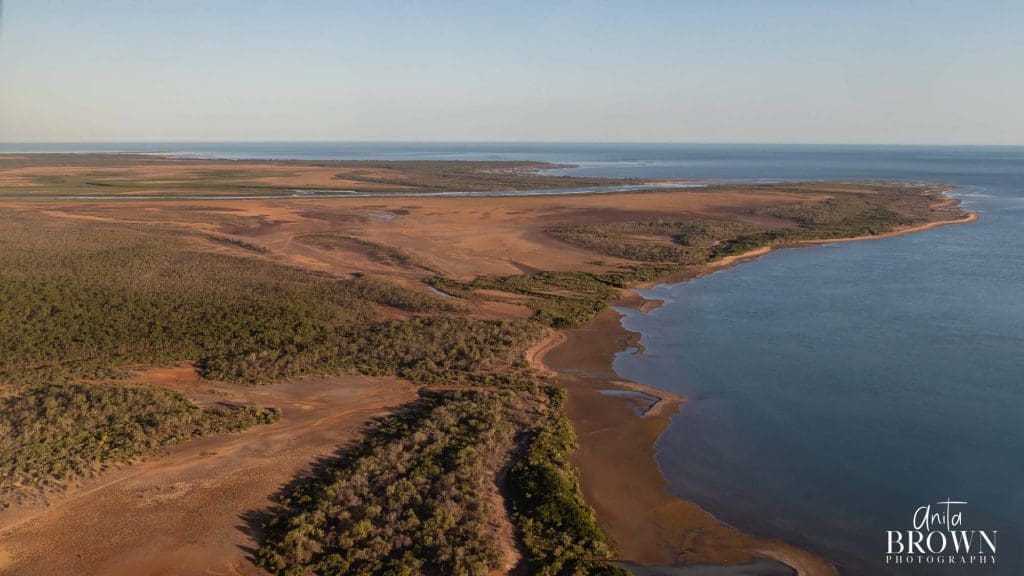
There are many contributing factors including the environmental diversity, wet seasons restricting travel and access, low population numbers and density, higher proportion of First Nation peoples living remotely, food insecurity along with the significant distances to access health care.
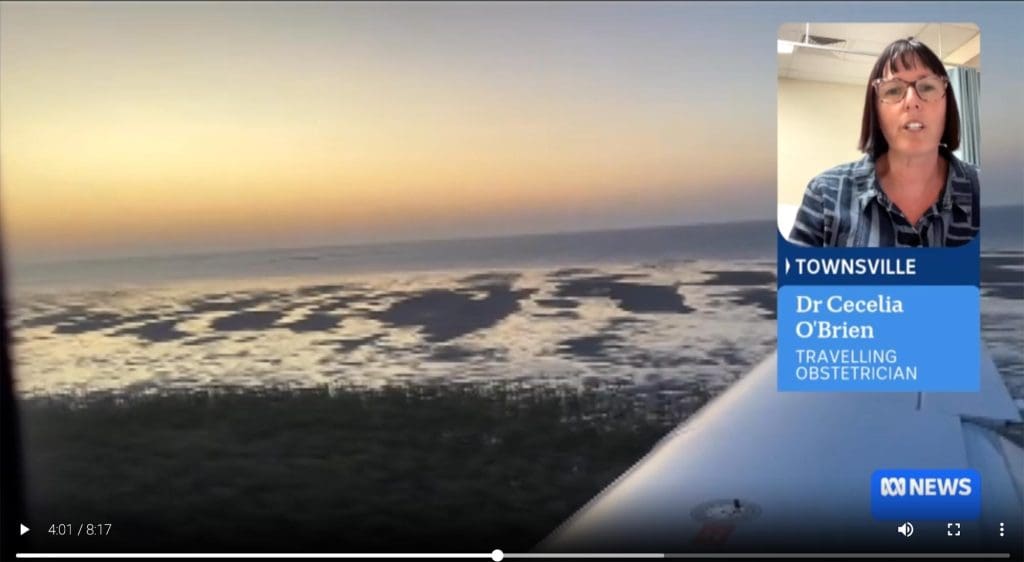
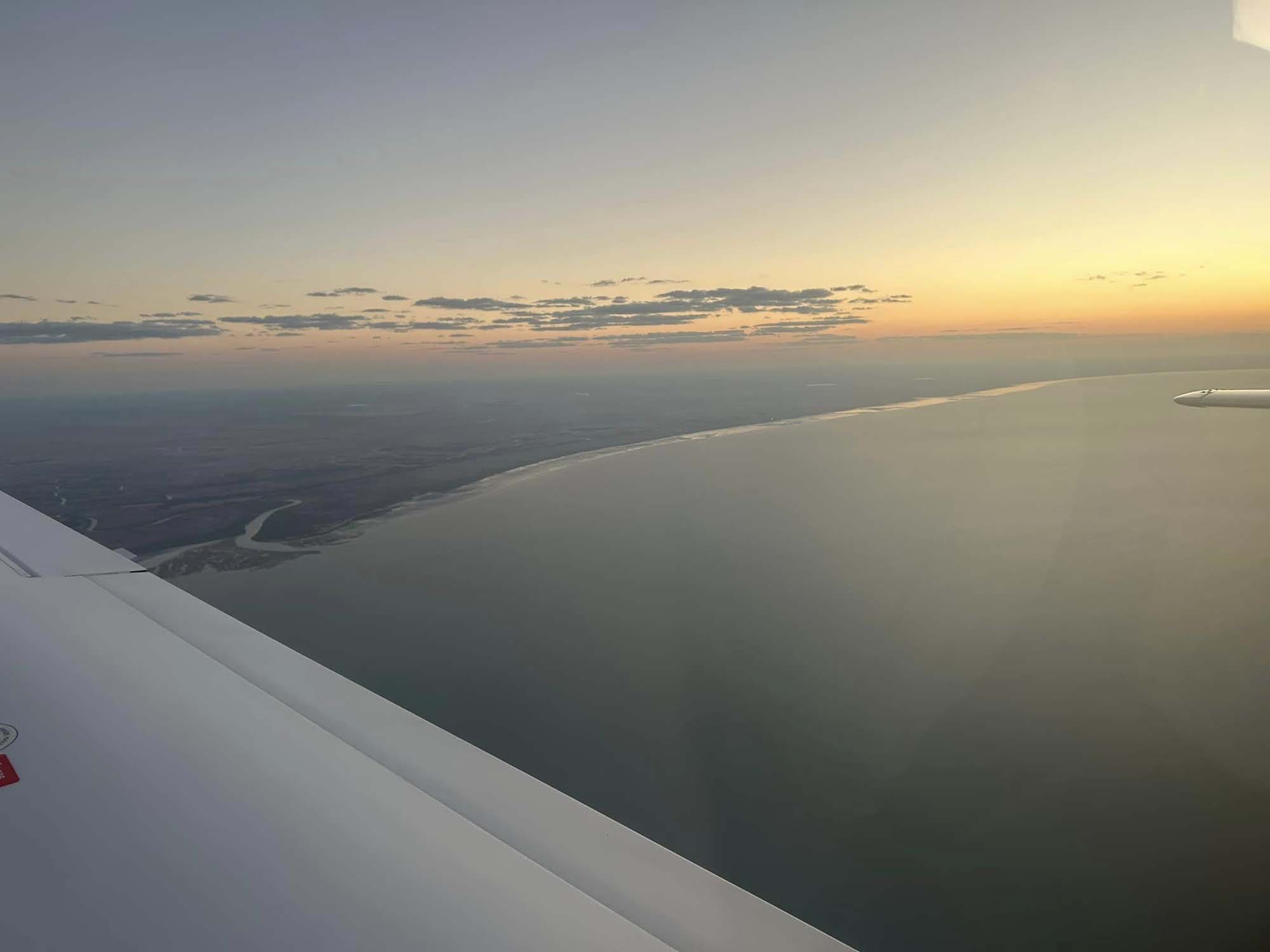
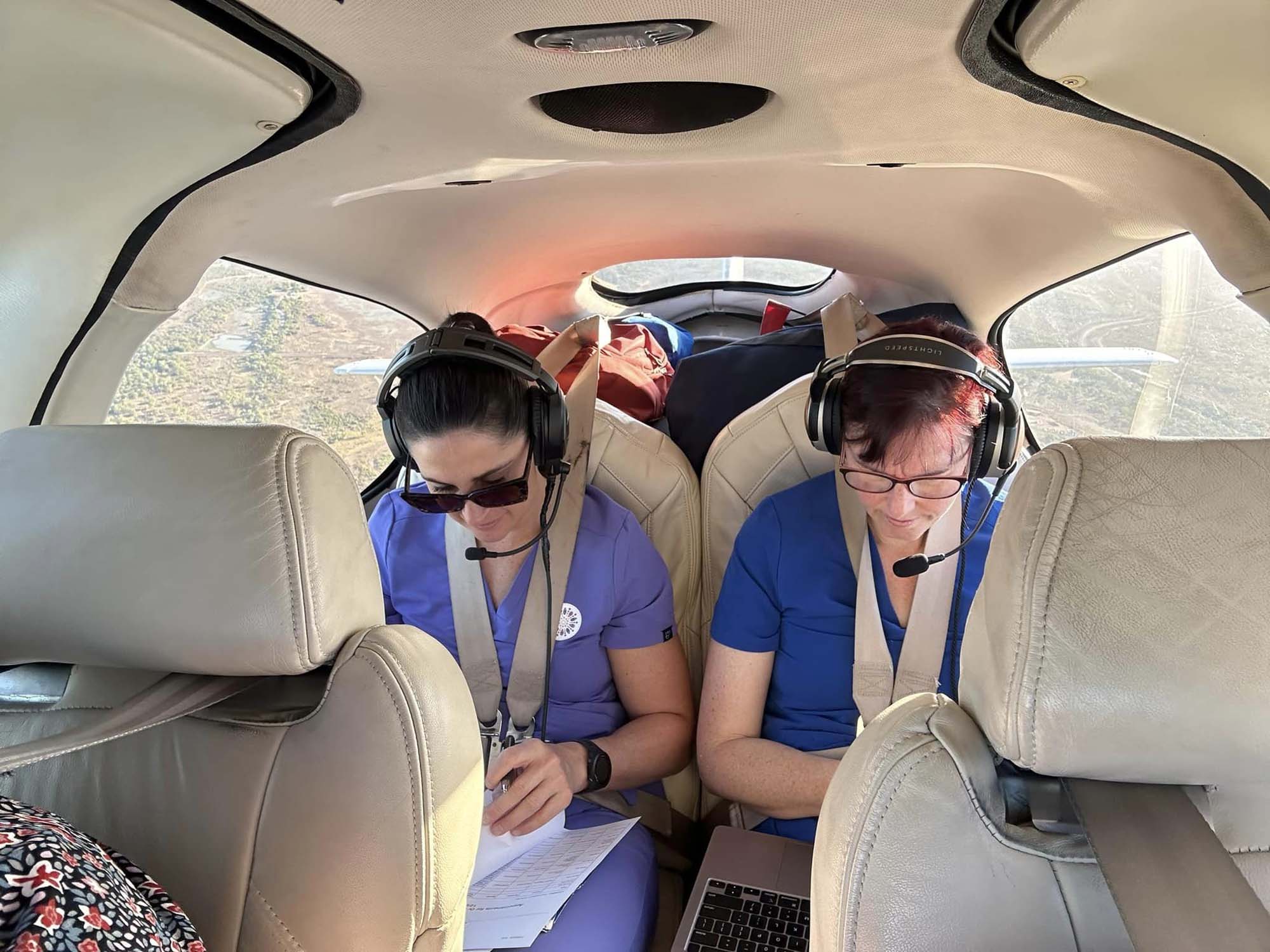
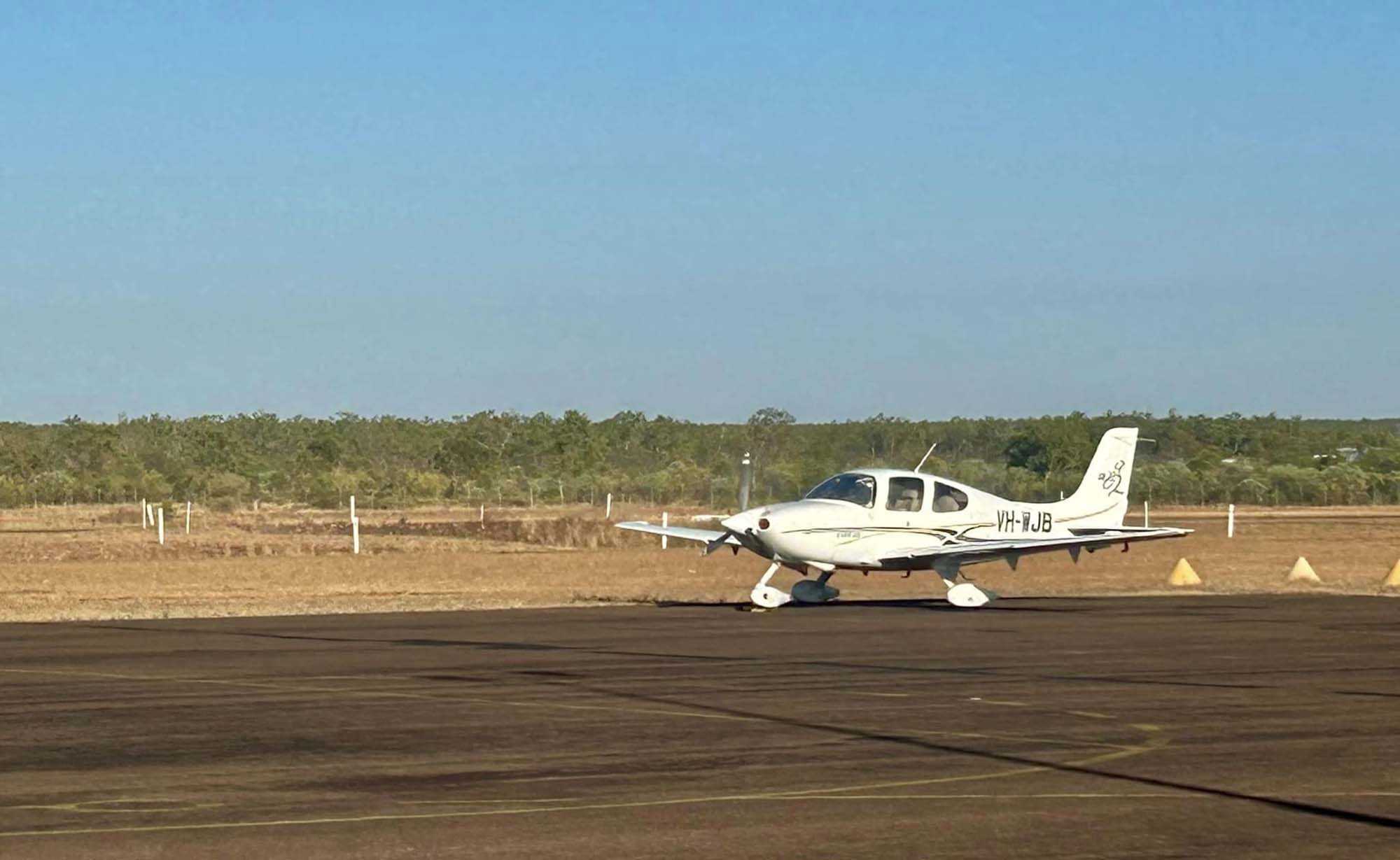
The vast distances that women living in remote Australia have to travel for routine pregnancy care and ultrasound is unfathomable.
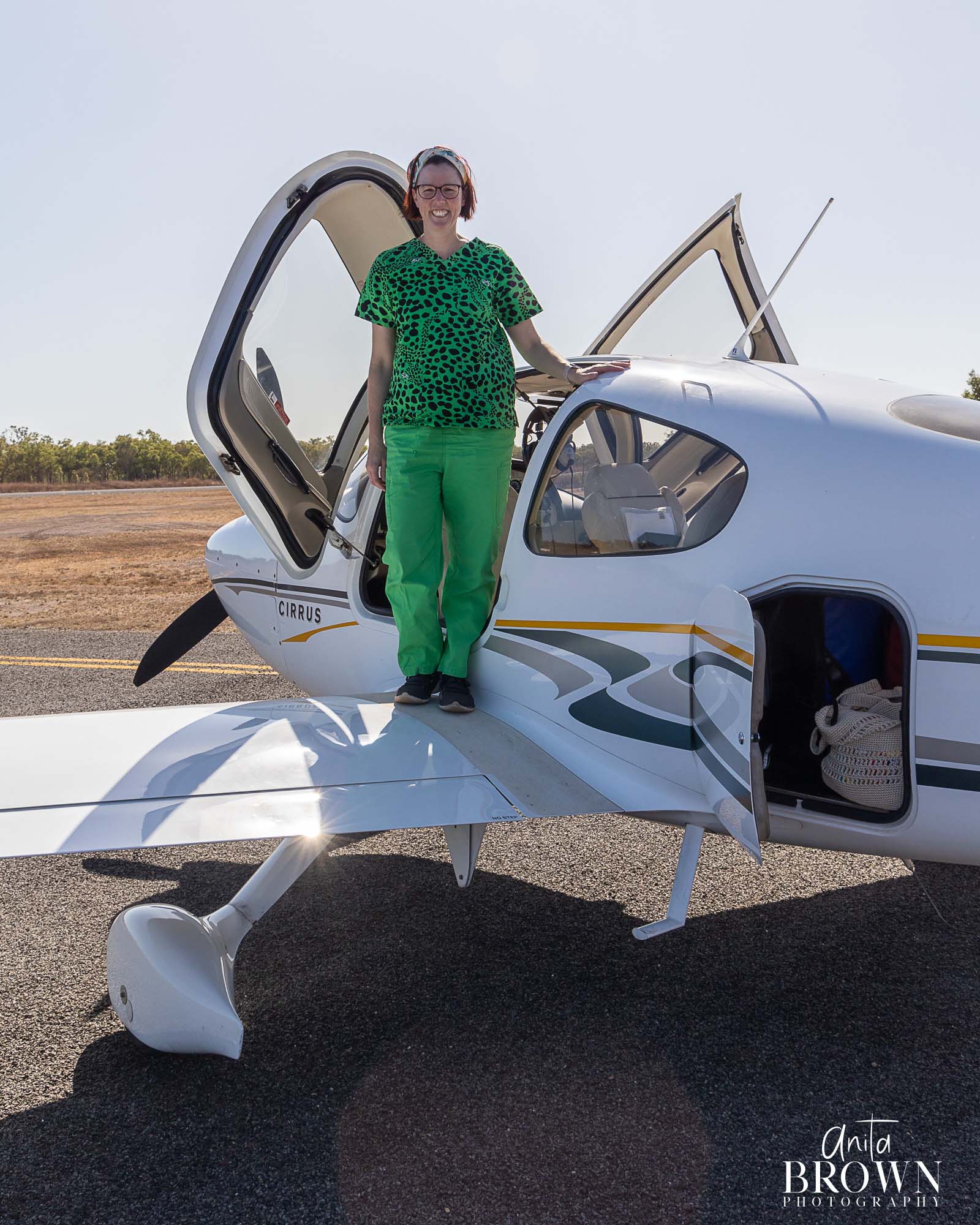
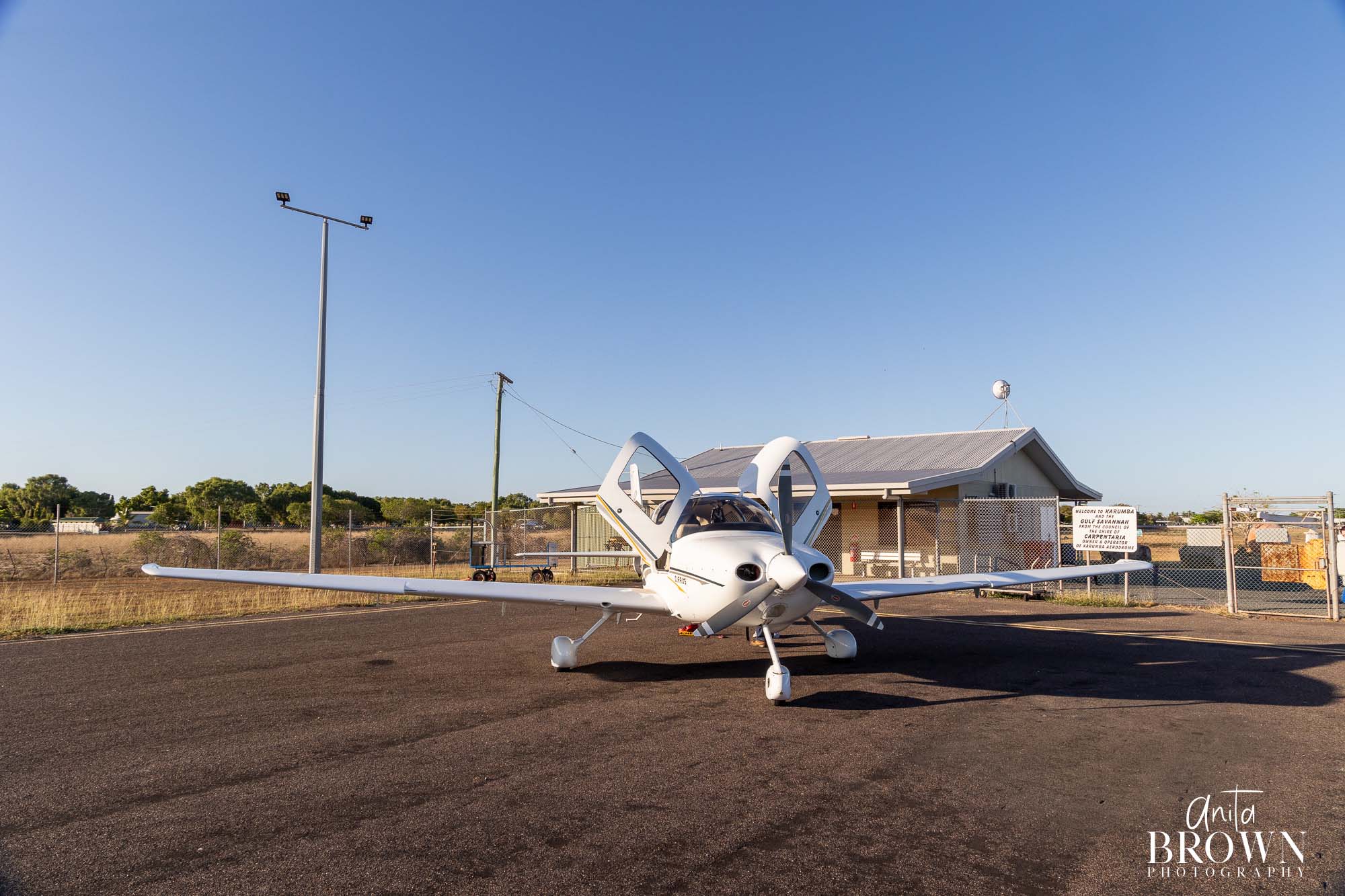
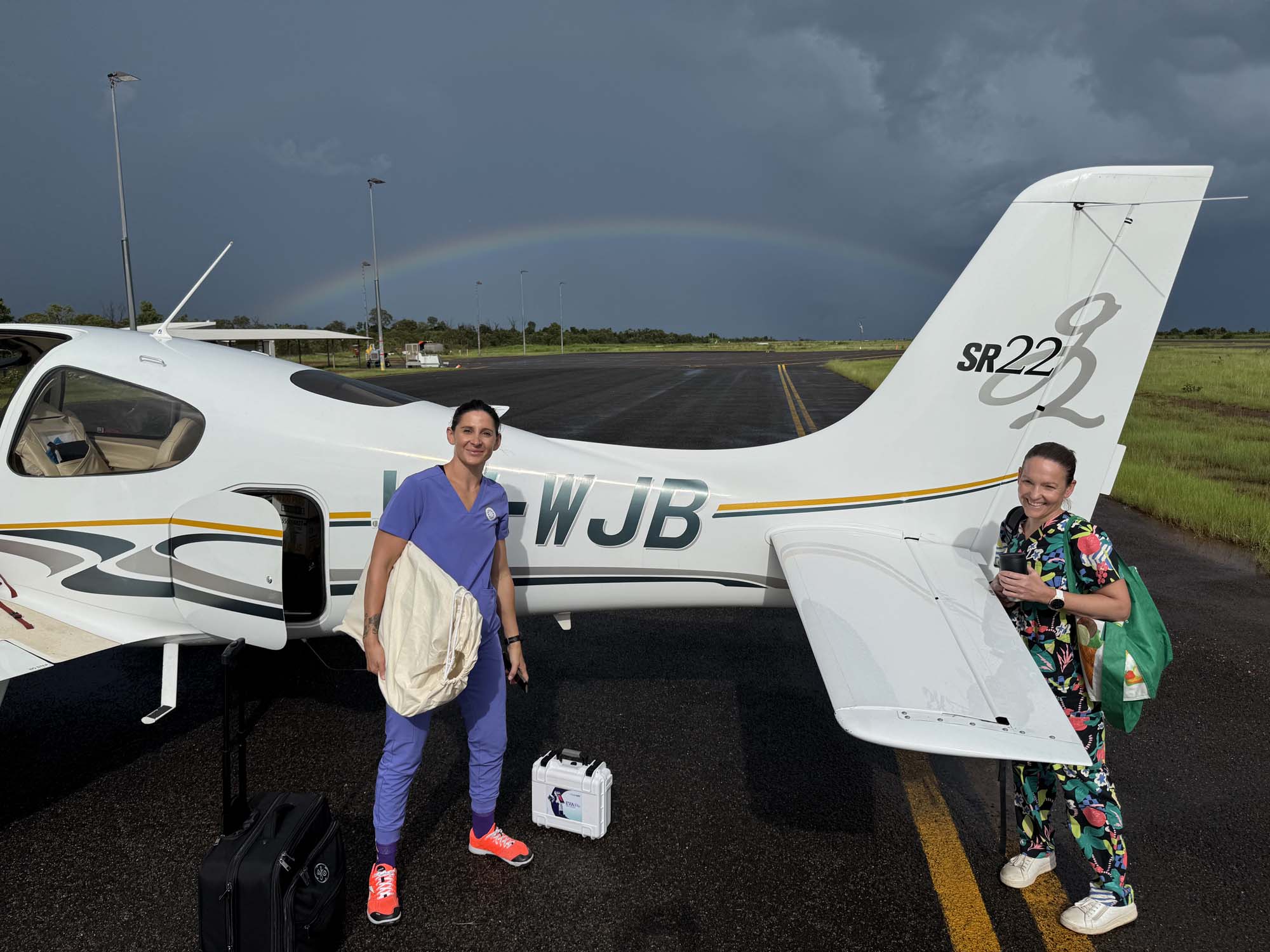
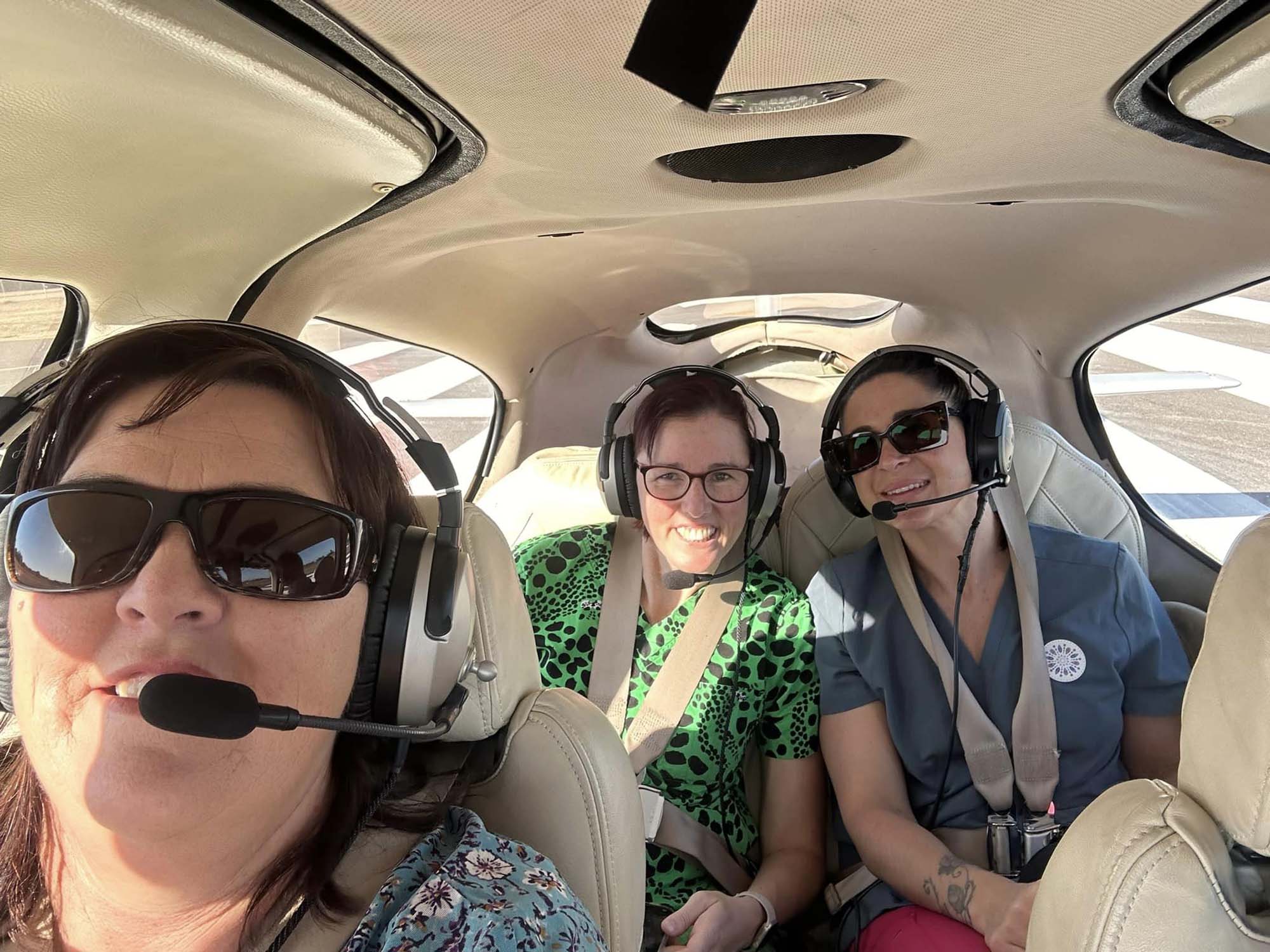
It can be a minimum of one or two flights on commercial aeroplanes which often have significant delays, or 5 to 8 hours by car with limited options for accommodation along with the financials restraints and transportation challenges once women and their families are in town.
Things that we take for granted include:
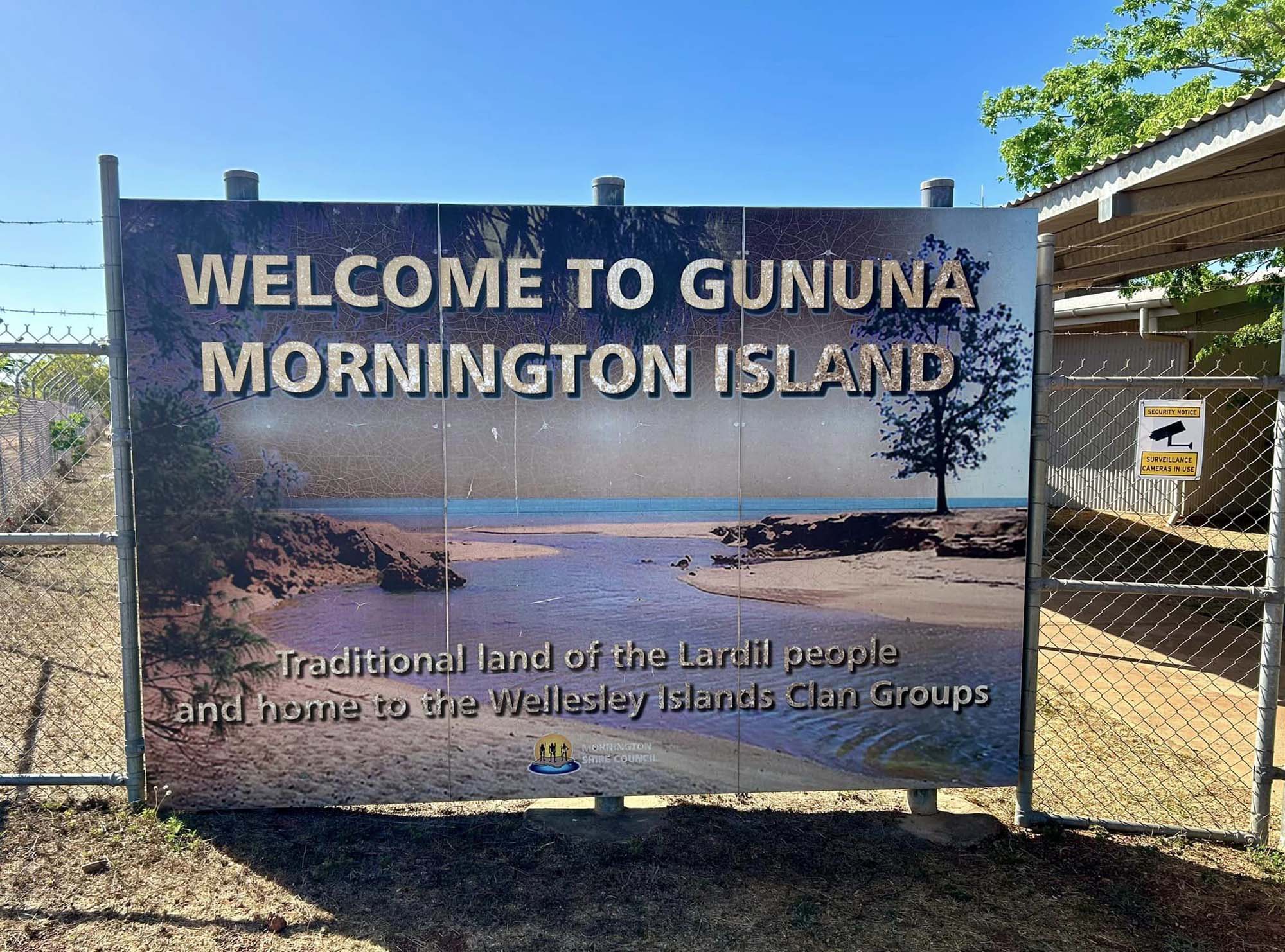
For a young 16 year-old woman living on Mornington Island in the Gulf of Carpentaria, in her first pregnancy, these barriers are prohibitive to accessing routine ultrasounds at the correct gestation.
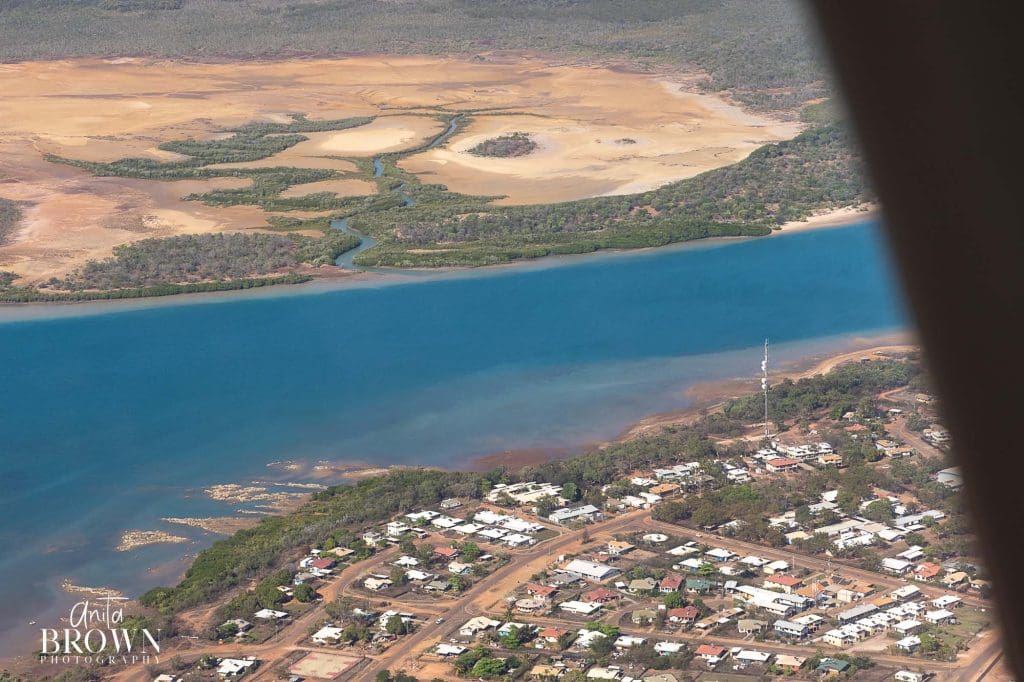
The aim of the Care on Country program is to:
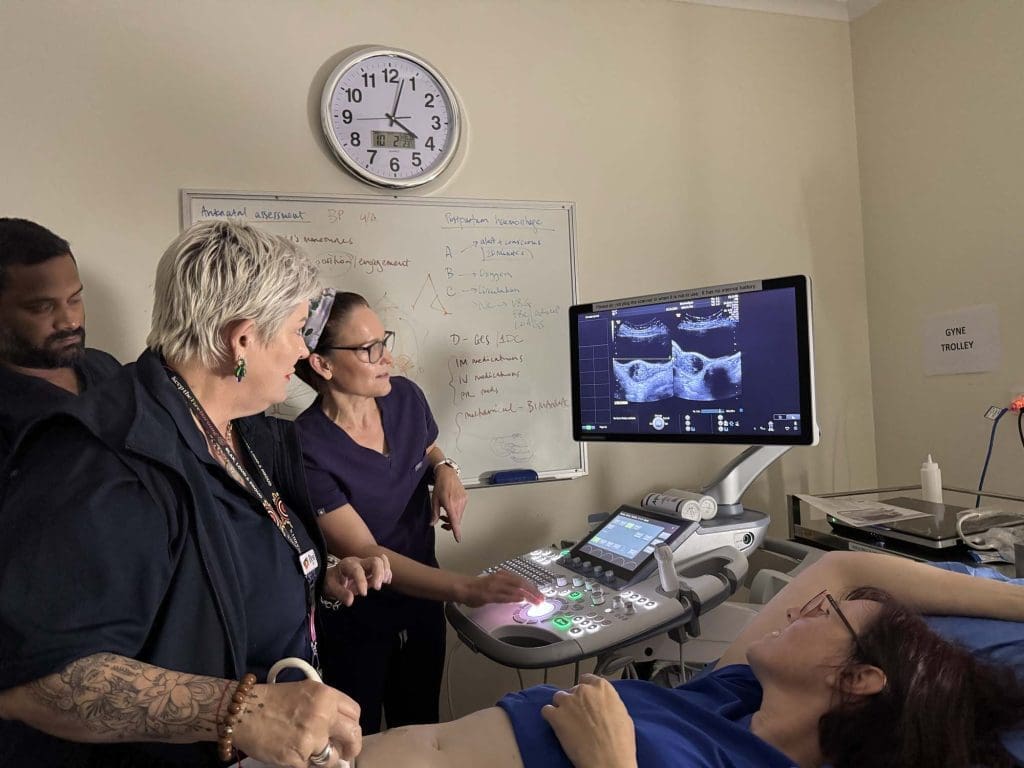
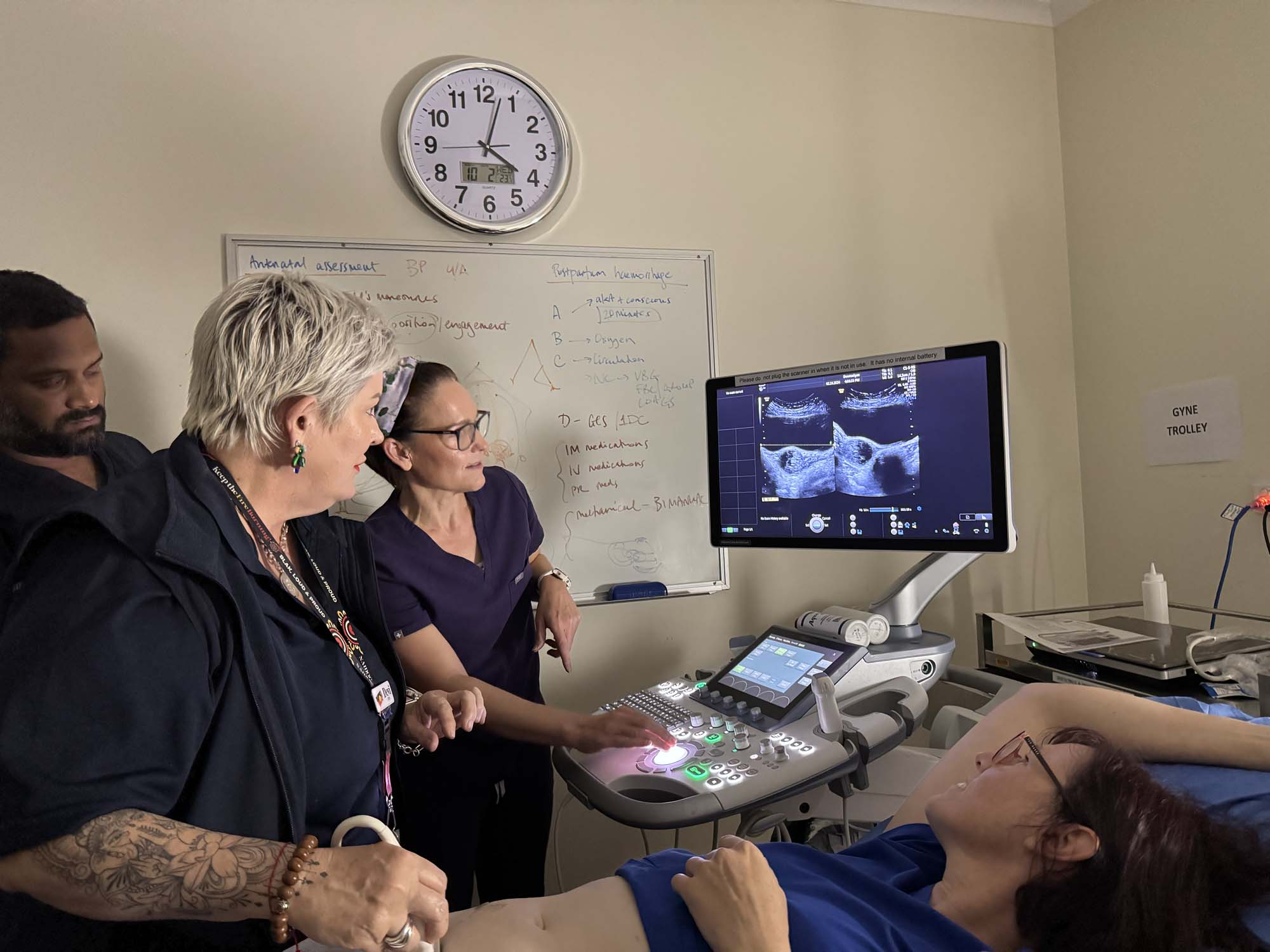
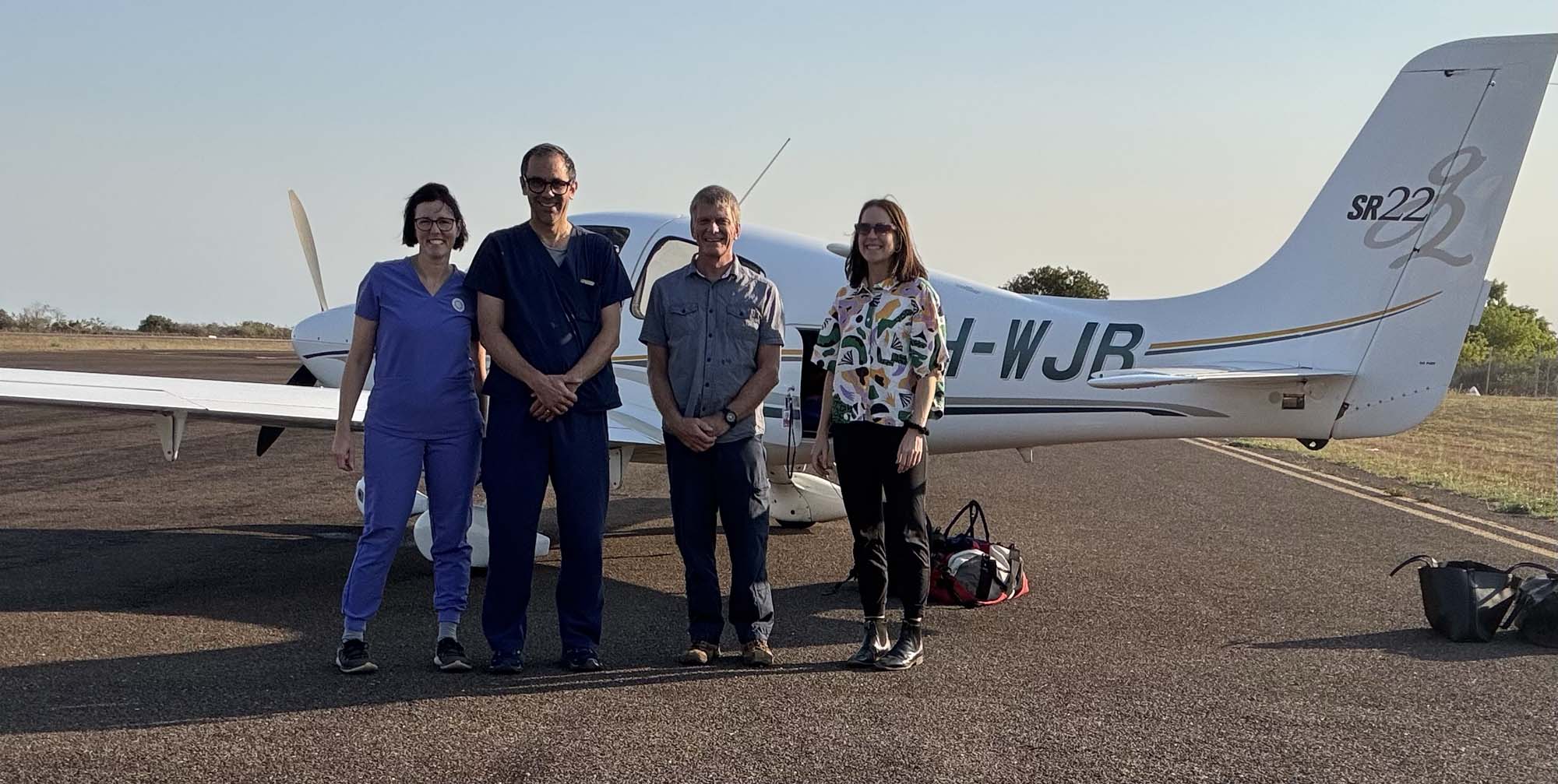
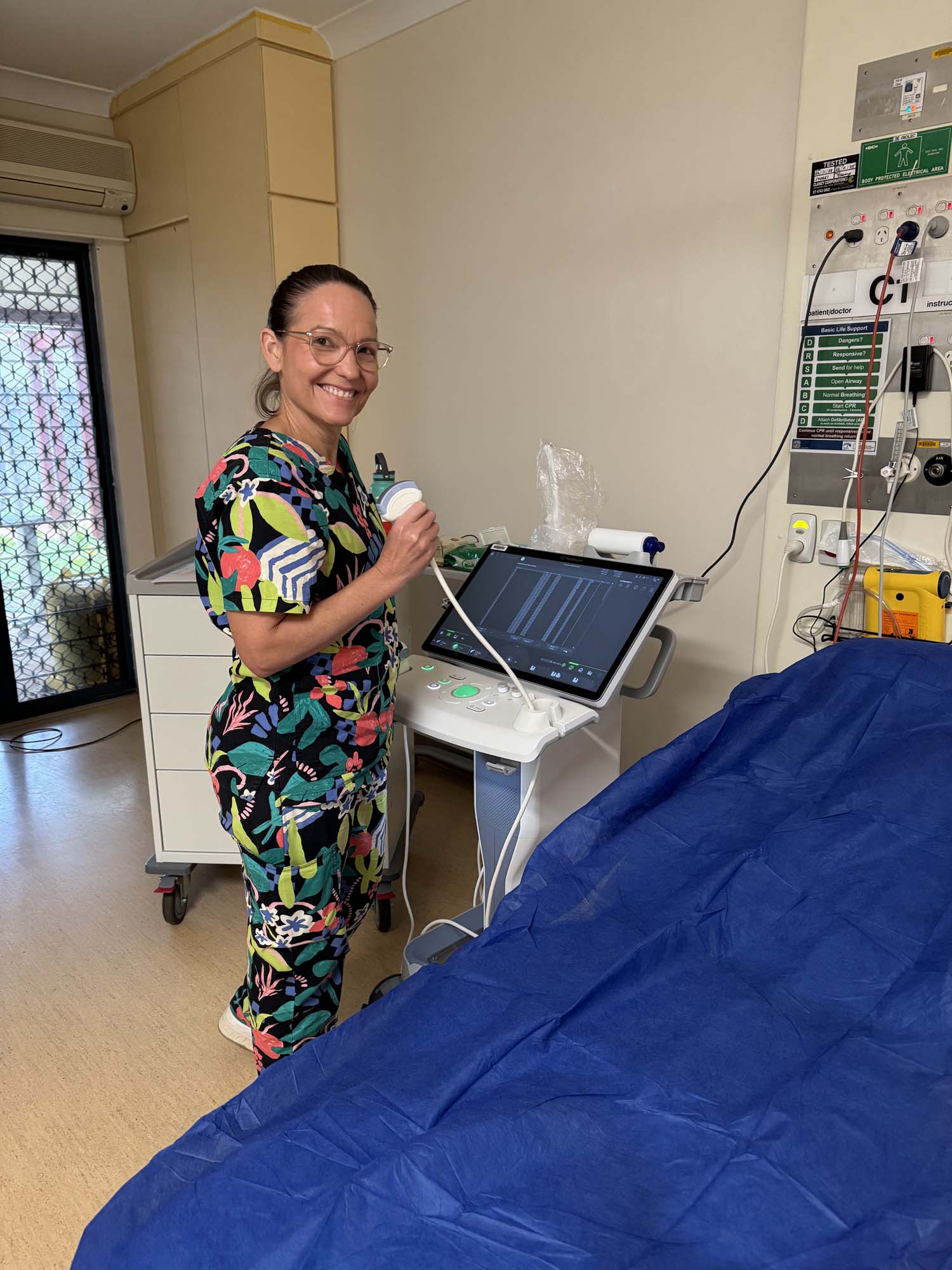
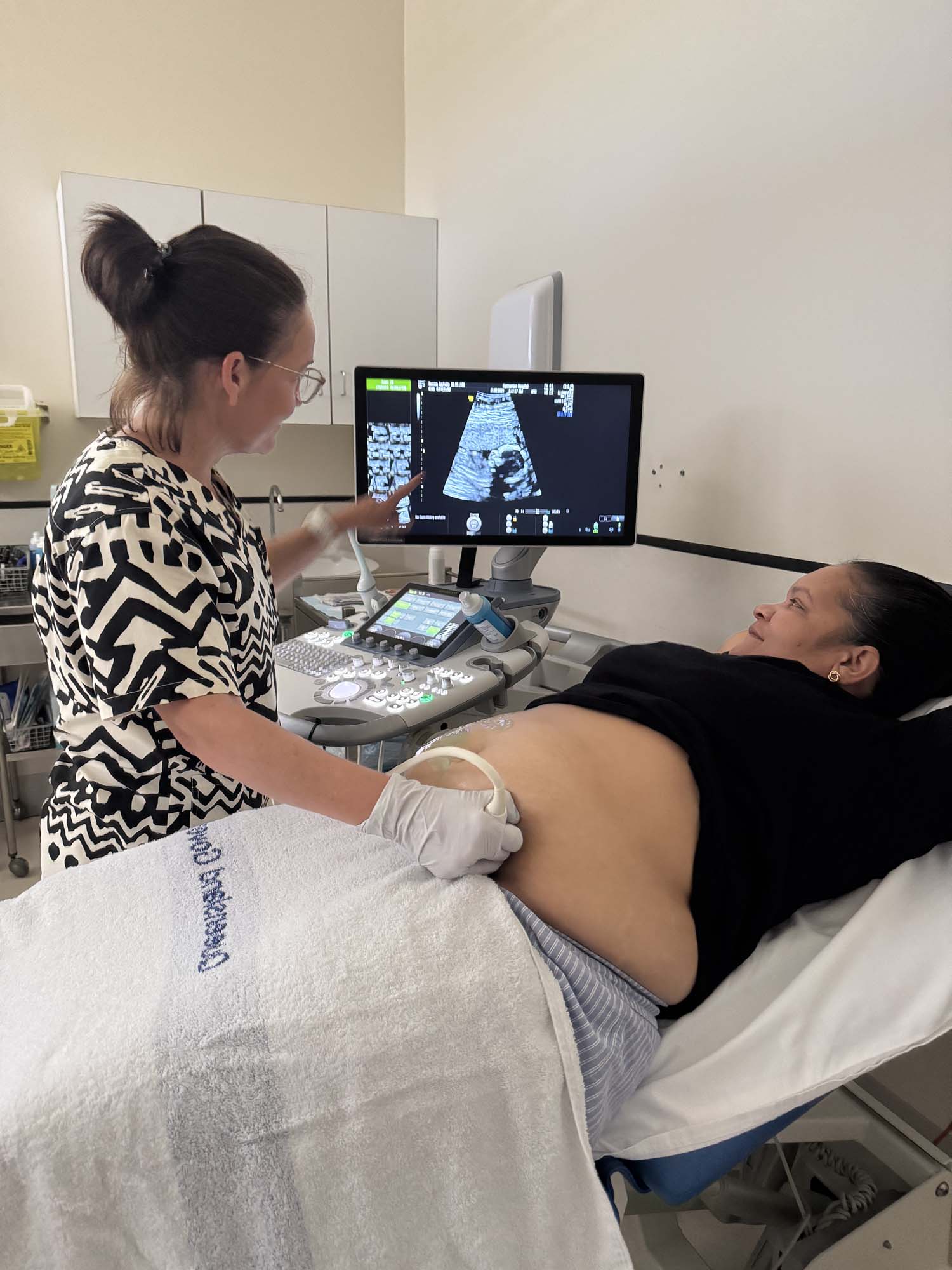
We are now 36 months into the Care on Country program, which has evolved to embrace the state of the art digital and ultrasound technology. We use a combination of satellite internet (Starlink), web based practice management software that can be accessed anywhere and the use of cloud based PACS . The ultrasound images are performed on a portable ultrasound made by General Electrics (GE). We have also integrated AI to improve the efficiency of documentation and reporting. Women can get their photos either printed out or directly on their smart phones.
We perform combined first trimester screening using Fetal Medicine Foundation algorithm for both chromosomal risk and early onset pre-eclampsia, fetal growth disorders and preterm birth. We also perform routine cervical screening at the time of morphology in line with the Preterm Birth Alliance recommendations. We work collaboratively with the outreach midwifery group practice service, the O&G teams at the base hospital, the local Aboriginal medical services and the local hospitals.
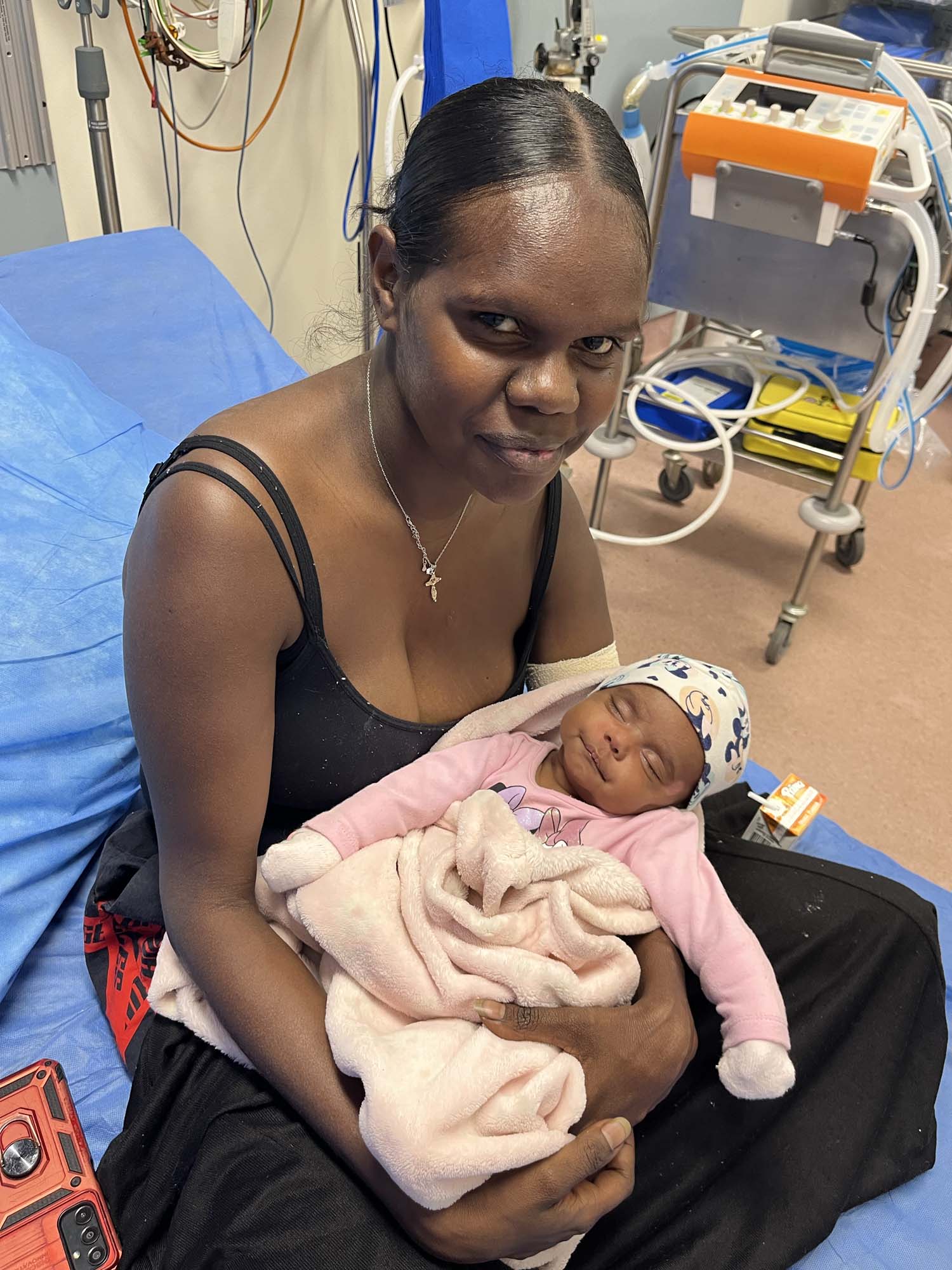
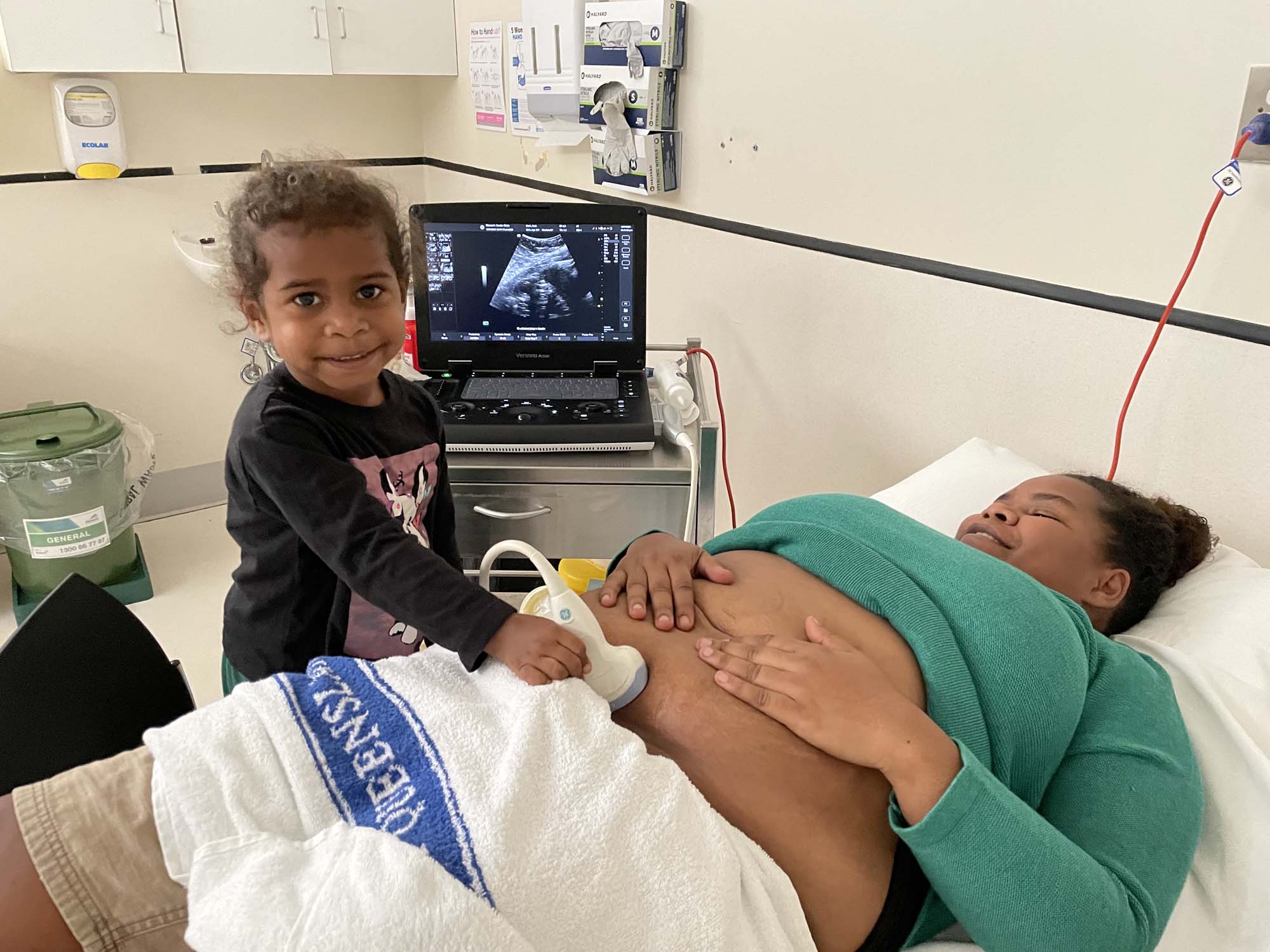
There is no doubt the greatest part of the program is seeing the delight and excitement generated when a woman sees her baby on ultrasound in their home community for the first time. To be able to share this moment with their families and their children, has the been the highlight for us.
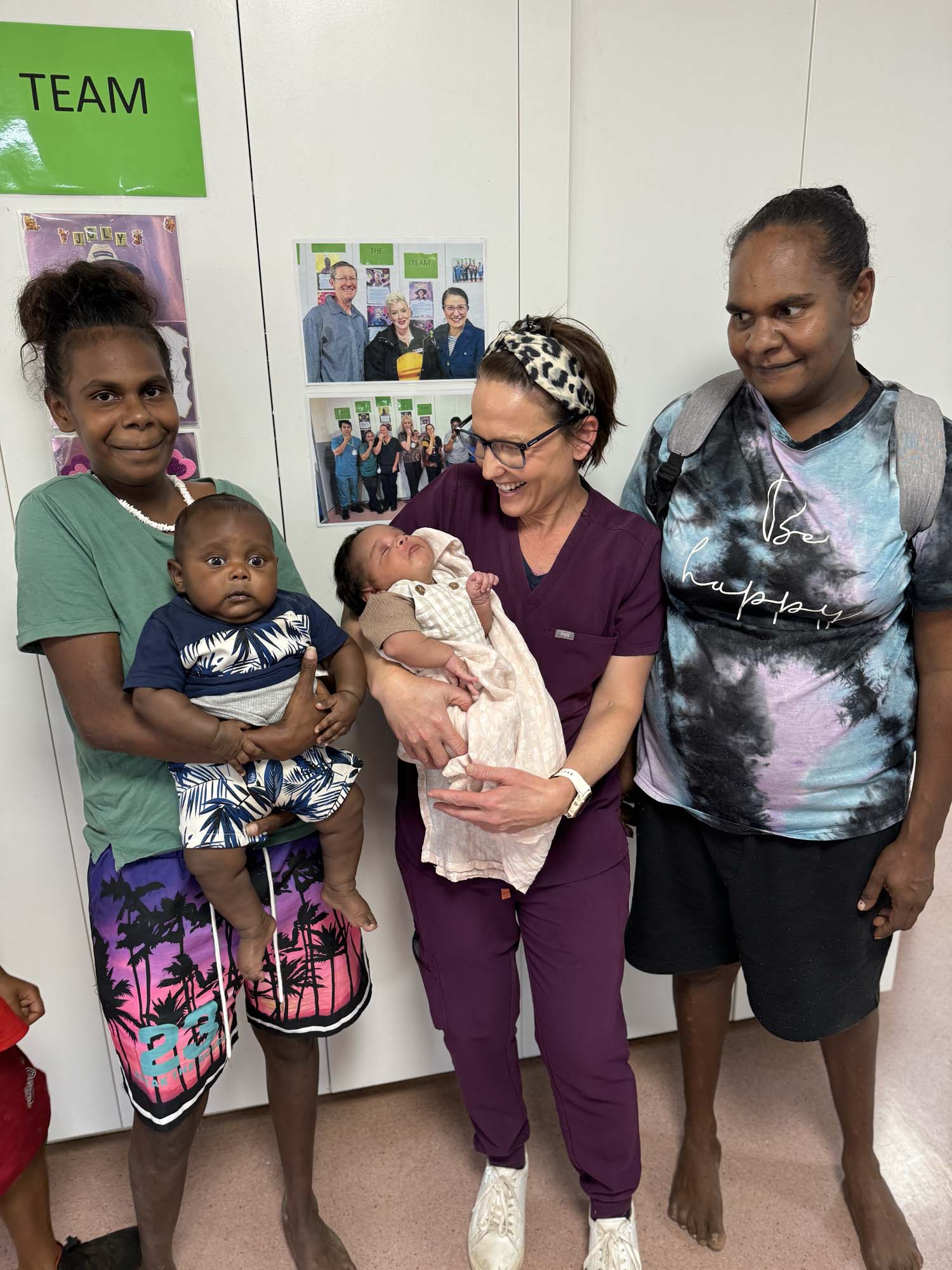
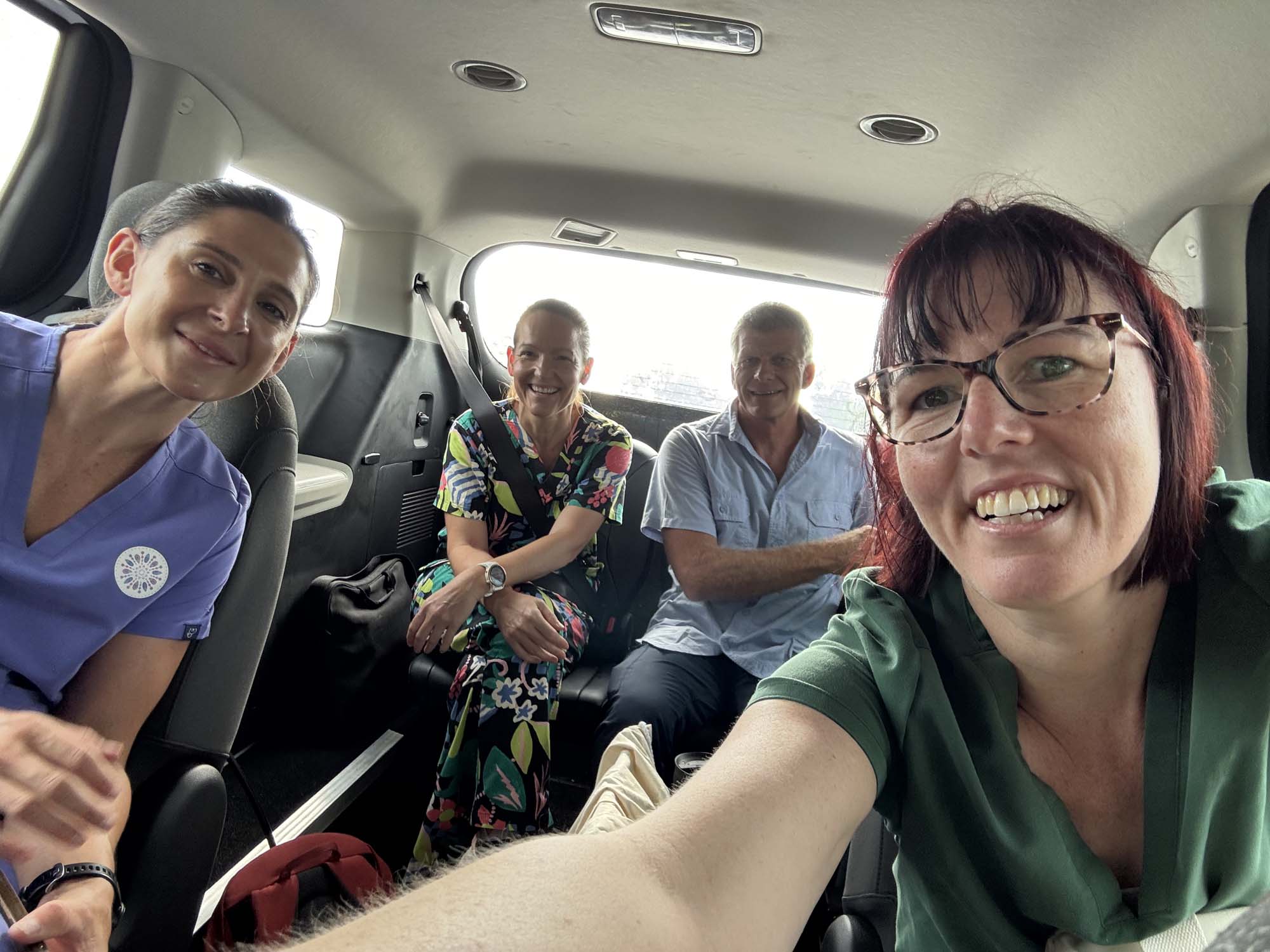
It is such a privilege and honour to meet these amazing families, local staff, the wonderful midwifes and to provide access to services such as routine Obstetric and Gynaecology ultrasound and pregnancy care on country.
Connecting women and their families to their unborn baby who live remotely, using the portable ultrasound technology, is truly special. We are one step closer to achieving equity and the future of outreach women’s imaging is so exciting.